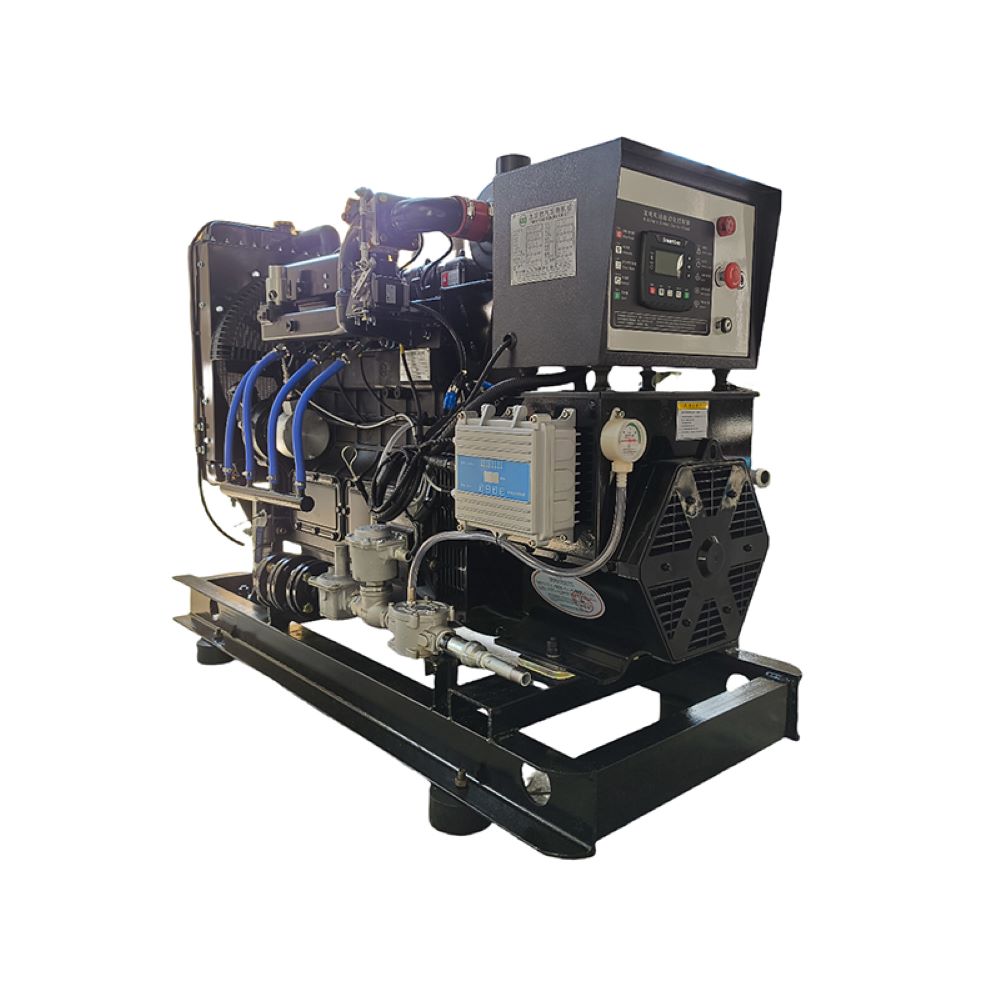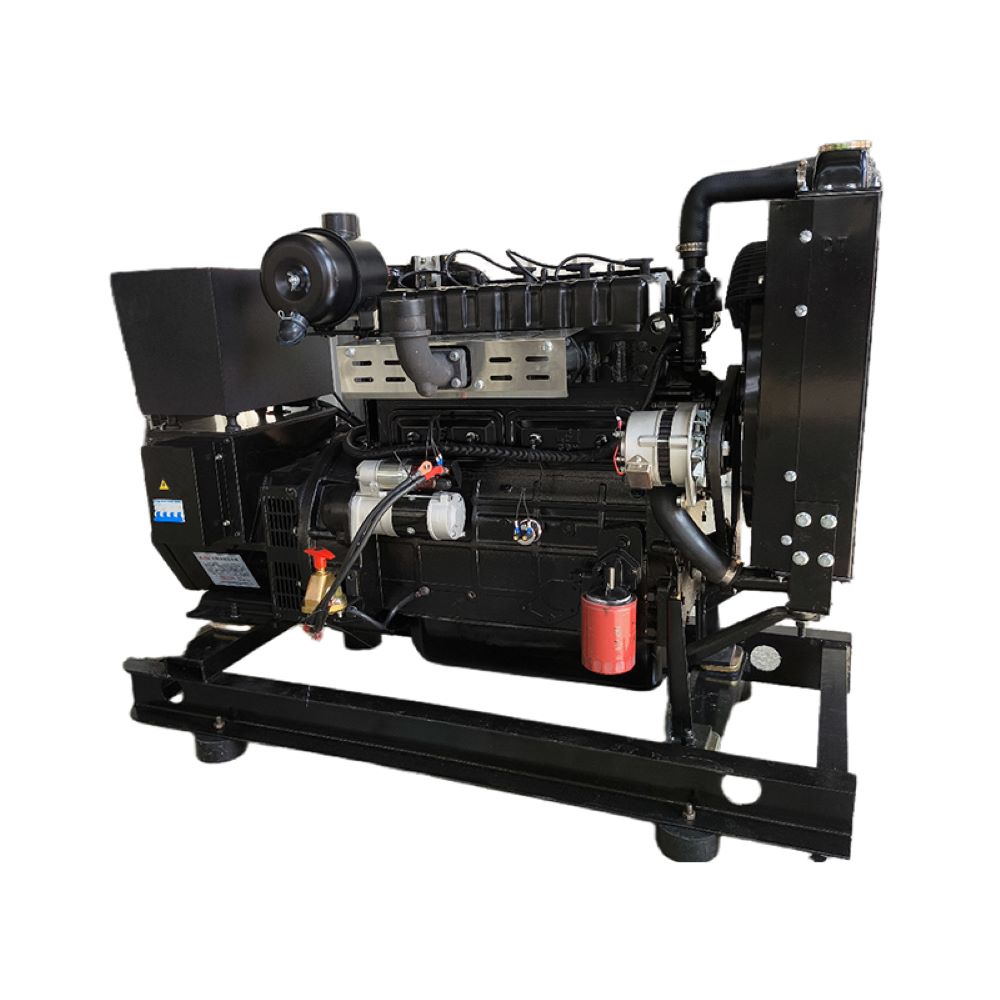
Under the guidance of the dual carbon target, the domestic biomass energy industry has experienced rapid development. How to convert agricultural and forestry waste into clean energy and achieve the resource utilization of agricultural waste has become the core direction of industry attention. Since 2026, with biomass gas generator、biomass gas generator set、biomass gas power generator、biomass gas electric generator、biomass gas generator factory The biomass gas power generation unit, which is at the core, is becoming the core equipment for the resource utilization of agricultural and forestry waste. It not only solves the problem of processing agricultural and forestry waste such as straw and sawdust, but also realizes the large-scale production of clean energy, providing core support for the achievement of the dual carbon goal.
China is a major agricultural country, generating over 1 billion tons of agricultural and forestry waste every year. In the past, most of this waste was burned in the open air and piled up indiscriminately, causing serious air pollution and wasting a large amount of biomass energy. Biomass gasification technology converts agricultural and forestry waste such as straw, sawdust, and fruit shells into biomass gas through pyrolysis gasification, and then converts biomass gas into electricity through a biomass gas generator, achieving the transformation of agricultural and forestry waste into treasure and perfectly solving the dual problems of environmental protection and energy.
From the perspective of industry development, a complete biomass gas power generation industry chain has been formed in China. From the research and development of equipment for biomass gas generator factories to the design, construction, and operation of projects, mature solutions have been developed. The new generation of biomass gas generator set has been comprehensively optimized for the characteristics of biomass gas, adapted to different types of agricultural and forestry waste, with higher gasification efficiency, less gas impurities, significantly improved equipment corrosion resistance and coking resistance, longer service life, higher operational stability, and a 20% increase in power generation efficiency compared to the previous generation product, significantly reducing power generation costs.
From actual implementation cases, several major agricultural provinces in China have already built large-scale biomass gas power generation projects. The person in charge of a biomass gas power generation project stated that the project uses local crop straw and forestry waste as raw materials, which can consume 100000 tons of agricultural and forestry waste annually. Through the biomass gas power generator, the annual power generation can reach 20 million kilowatt hours, and all the electricity generated is integrated into the power grid. This not only solves the environmental problem of open-air burning of straw in the local area, but also brings tens of millions of yuan in straw purchase income to local farmers every year. At the same time, it provides a large number of job opportunities for the local area, achieving a triple harvest of ecological, economic, and social benefits.
At the same time, the environmental advantages of biomass gas electric generators are also very prominent. Biomass gas belongs to renewable and clean energy, and the carbon emissions after combustion are much lower than those of fossil fuels. At the same time, the emissions of nitrogen oxides and particulate matter are much lower than the national environmental standards, fully meeting the requirements of the dual carbon target. Industry experts say that with the continuous promotion of domestic policies for the resource utilization of agricultural and forestry waste, the biomass gas power generation industry will experience rapid development, and the market demand for biomass gas generators will continue to expand. In the future, it will further develop towards miniaturization and distribution, providing solutions for clean energy supply at the county and township levels, and helping to achieve the dual carbon goals as soon as possible.